
-
A Global Standard For Sustainable Palm Oil
To ensure the credibility of palm oil sustainability claims, all RSPO members that take legal ownership and produce or handle RSPO-certified sustainable oil palm products need to be RSPO certified. At the heart of this process are the RSPO Principles & Criteria.
-
How Certification Works
There is in an ever-urgent need and growing global concern that commodities are produced without causing harm to the environment or society. RSPO certification is an assurance to the customer that the standard of palm oil production is sustainable.Palm oil producers are certified through strict verification of the production process to the stringent RSPO Principles & Criteria for Sustainable Palm Oil Production by accredited Certifying Bodies, and can be withdrawn at any time in case of infringement of the rules and standards. All organisations in the supply chain that use RSPO certified sustainable oil products are audited to prevent overselling and mixing palm oil with conventional (or non-sustainable) oil palm products. These organisations can claim the use of RSPO certified sustainable oil palm products “on pack” by using the RSPO Trademark.
-
Why is this important?
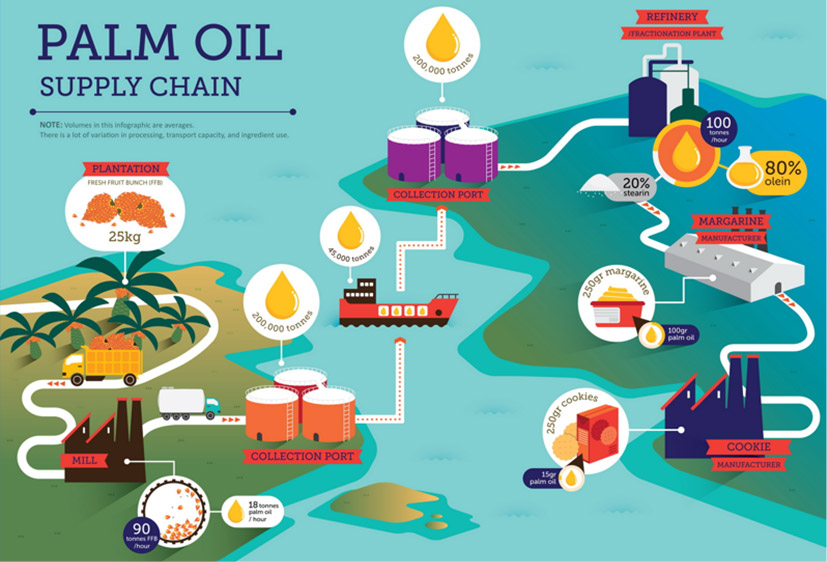
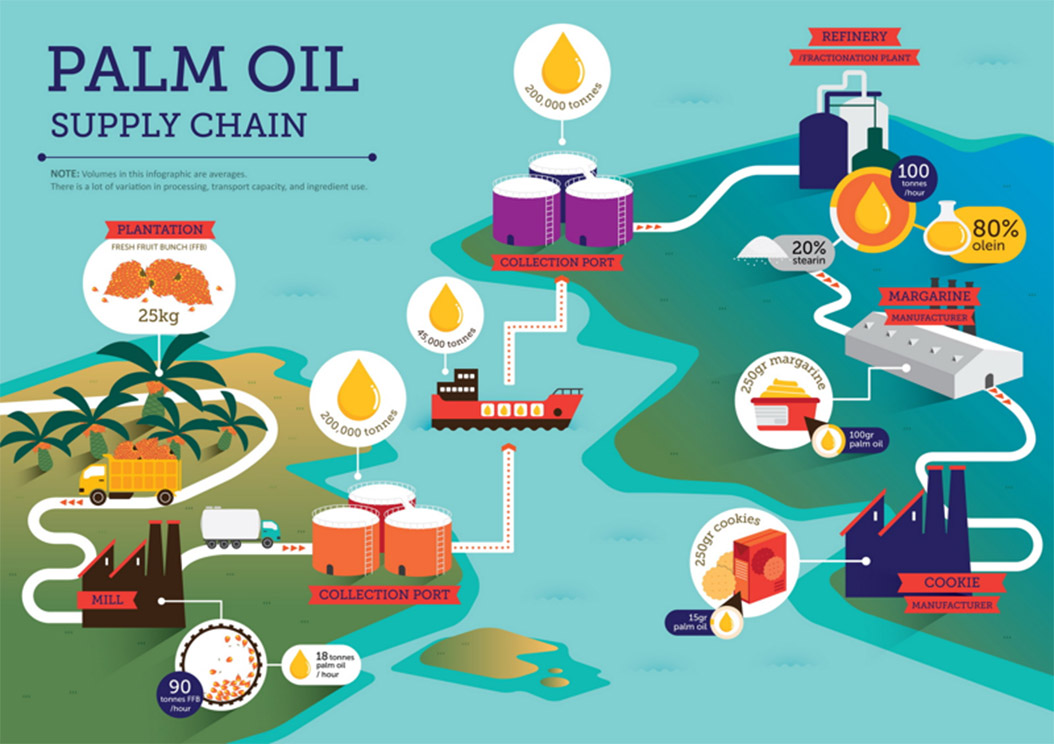
The palm oil supply chain, from the tropics to its use as an ingredient in retail products all over the world, is complex. To ensure the credibility of the sustainability claim at the end of the supply chain, all organisations that take legal ownership and physically handle RSPO certified sustainable oil palm products need to be supply chain certified. Transparency and credibility are assured through RSPO Supply Chain Certification and RSPO Principles and Criteria Certification.
-
About the RSPO Principles & Criteria
Sustainable palm oil production is comprised of legal, economically viable, environmentally appropriate and socially beneficial management and operations. At the heart of RSPO certification are the RSPO Principles and Criteria for Sustainable Palm Oil Production (including Indicators and Guidance, revised November 2013), the global guidelines for producing palm oil sustainably. The Principles & Criteria are a generic document. Since countries differ in their laws for the same criteria, such as minimum wages for workers for example, and there are cultural and other differences, the Principles &Criteria are further adapted for use by each country through National Interpretations.This crucial step not only allows for negating potential conflicts between an international standard and national laws, but also to allow for national level stakeholder consultation. This would translate to addressing key concerns at local or regional level, giving specific points to unique situations and complementing national laws with a higher benchmark (where applicable) for industry to achieve. Buy-in to such a process is critical, and whenever the National Interpretation processes takes place, such process is lead by RSPO members operating in the involved countries, according to guidance provided in the RSPO certification system.
-
Why Get Certified
There is in an ever-urgent need and growing global concern that commodities are produced without causing harm to the environment or society. RSPO certification is an assurance to the customer that the standard of production is sustainable.